All Categories
Featured
The Main Principles Of Understanding Different Relief Pro...
The Only Guide to The Future for Bankruptcy Counseling Se...
Getting My Resources Provided for Anyone's Financial Recovery Journey To Work
Table of Contents
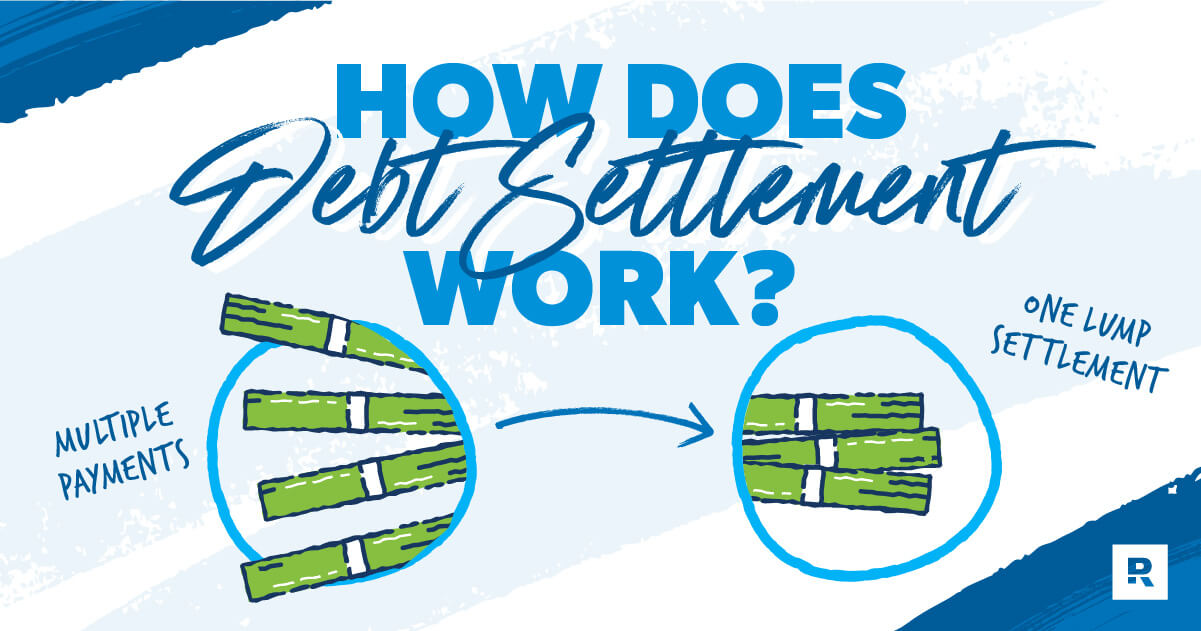
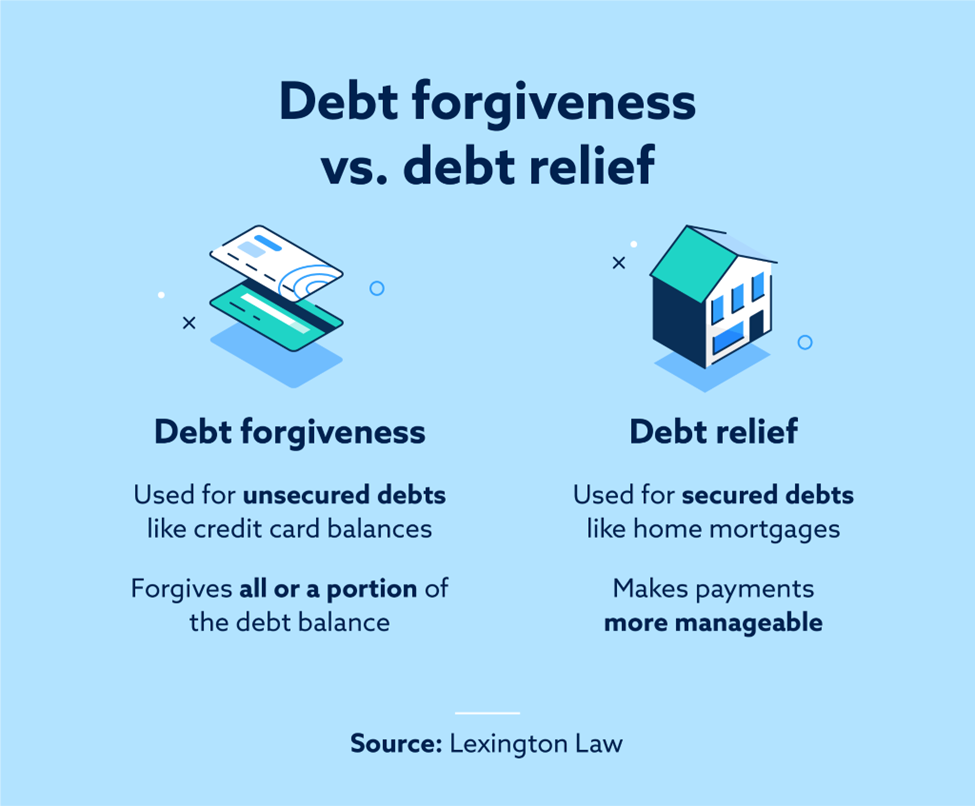
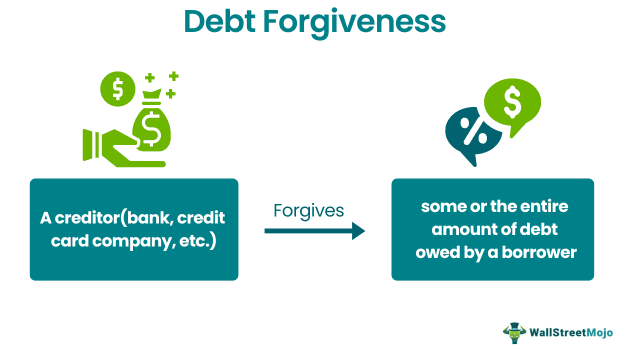
That maximizes cash in the short-term, and you might have 3 to four years to conserve toward the settlement quantity. Extremely unsafe to credit history, largely as a result of missed payments and a negative "worked out" mark that might remain on your credit scores report for approximately seven yearsMay be just option if other options (financial debt combination, balance transfer bank card, debt mercy) aren't possibleTypically calls for a fee to the 3rd party, which could counter some or all of the savings from financial obligation settlementMay aid you stay clear of insolvency if you have actually missed numerous paymentsNot all creditors collaborate with financial debt negotiation companies Financial obligation mercy might be best for you if you are experiencing a monetary challenge that makes it nearly impossible to pay down your financial debt equilibriums.
With a DMP, you make one regular monthly settlement to the credit report therapy firm. Those funds are then dispersed to lenders of your unprotected financial obligations, such as credit scores cards and installment financings. The firm functions with your lenders to reduce rate of interest or waive costs, but some lenders might decline such concessions.
It can help you pay down financial debt if you're able to protect a finance rate that's reduced than the average rate of the accounts you're settling. You need to refrain from racking up debt on those freshly cleared accounts or your financial debt could expand even higher.
That provides you lots of time to remove or dramatically reduce your equilibrium while making interest-free repayments.
The Single Strategy To Use For True Testimonials of Individuals Who Achieved Freedom
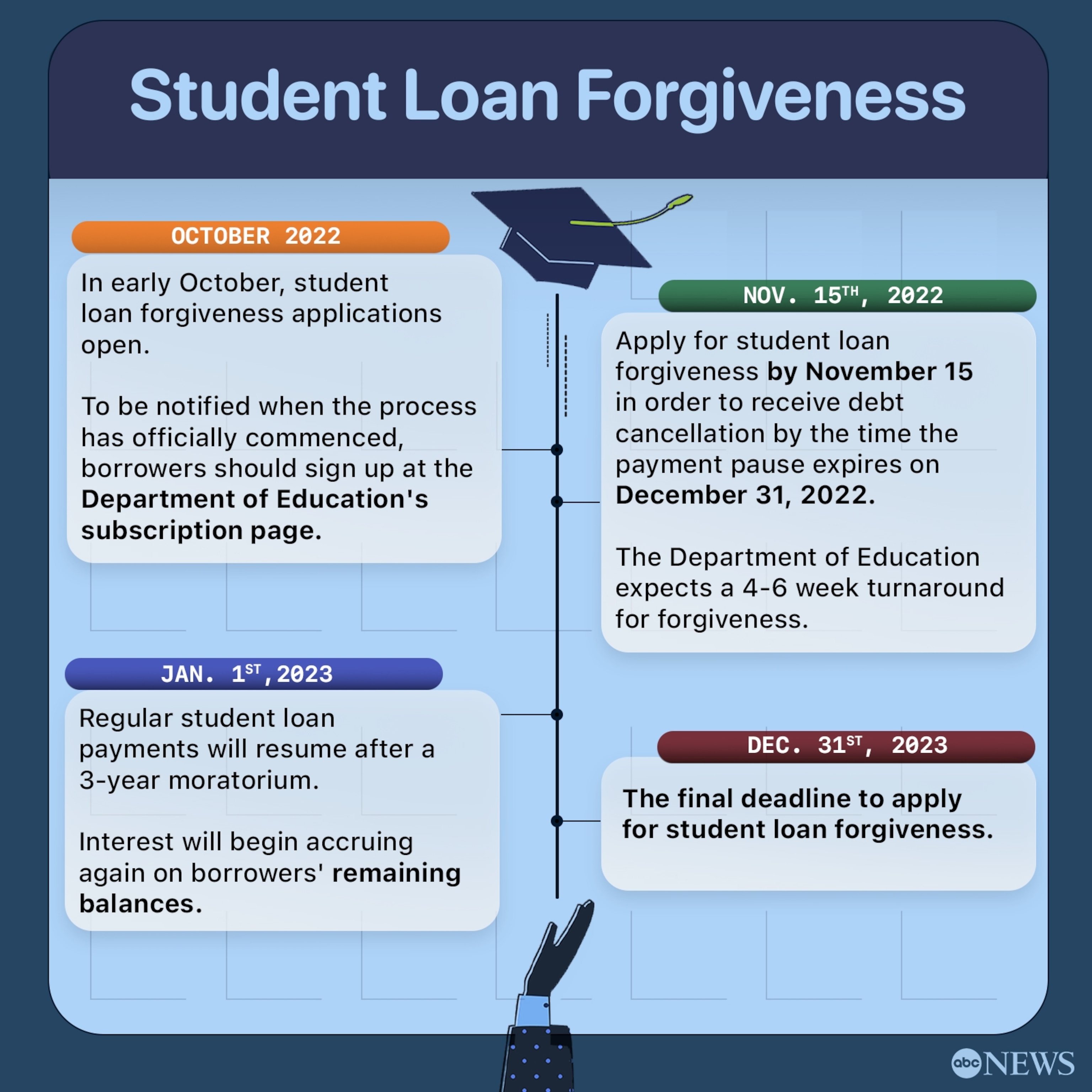
You may require it if your creditor or a collection firm ever before attempts to gather on the financial obligation in the future. When a loan provider forgives $600 or even more, they are required to send you Kind 1099-C.
Debt mercy or negotiation generally injures your credit score. Anytime you resolve a financial obligation for less than you owe, it may appear as "settled" on your credit score record and affect your credit rating for 7 years from the date of settlement. Your credit score can also drop considerably in the months bring about the mercy if you fall behind on repayments.
More About Support Available for Your Financial Recovery Journey
Tax debt concession programs Tax financial debt happens when the amount of tax obligations you owe exceeds what you have paid. This situation frequently arises from underreporting earnings, not submitting returns on time, or discrepancies discovered during an internal revenue service audit. The effects of building up tax obligation debt are severe and can include tax obligation liens, which provide the IRS a legal case to your residential or commercial property as security for the financial debt.
Earnings and Financial institution Accounts IRS can impose (seize) wages and bank accounts to please the financial debt. Residential or commercial property Seizure In extreme instances, the IRS can take and offer property to cover the financial debt.
Social Stigma Dealing with lawful action from the Internal revenue service can carry social stigma. Employment Opportunities A poor credit report rating due to strain financial debt can restrict employment possibilities. Government Benefits Tax obligation debt may influence eligibility for government benefits, such as Social Safety And Security and Medicaid.
Our Documents You'll Need for Bankruptcy Counseling PDFs
The OIC thinks about several variables, consisting of the taxpayer's earnings, expenses, property equity, and capacity to pay. Efficiently working out an OIC can be complex, calling for a thorough understanding of the internal revenue service's standards and a solid disagreement for why your deal straightens with your capacity to pay. It's important to keep in mind that not all applications are approved, and the process requires thorough monetary disclosure.
The internal revenue service evaluates your total financial situation, including your income, costs, property equity, and capacity to pay. You need to also be present with all filing and repayment needs and not remain in an open insolvency case. The IRS also considers your compliance history, reviewing whether you have a document of timely filing and paying taxes in previous years.
What Sets Quality Counselors Apart in the Industry for Dummies
The application procedure for a Deal in Concession includes numerous in-depth actions. Initially, you should complete and send IRS Type 656, the Offer in Concession application, and Form 433-A (OIC), a collection details statement for individuals. These types need thorough economic info, including details about your earnings, financial obligations, expenses, and properties.
Back tax obligations, which are unsettled tax obligations from previous years, can considerably raise your total internal revenue service financial obligation if not resolved promptly. This financial debt can accrue passion and late repayment fines, making the initial quantity owed a lot larger gradually. Failing to repay taxes can lead to the internal revenue service taking enforcement actions, such as releasing a tax lien or levy versus your building.
It is very important to deal with back tax obligations immediately, either by paying the sum total owed or by preparing a layaway plan with the internal revenue service. By taking proactive steps, you can stay clear of the buildup of extra interest and charges, and protect against extra hostile collection actions by the IRS.
One typical reason is the belief that the taxpayer can pay the total either as a lump sum or via a layaway plan. The internal revenue service also thinks about the taxpayer's earnings, expenditures, asset equity, and future earning possibility. If these factors indicate that the taxpayer can afford to pay more than the provided quantity, the internal revenue service is most likely to reject the deal.
4 Simple Techniques For How Ignoring Your Debt Problems May Cost You
Dealing with Internal revenue service financial obligation can be intricate and complicated. Tax experts, such as Certified public accountants, tax attorneys, or signed up agents, can give very useful support.

Table of Contents
Latest Posts

The Main Principles Of Understanding Different Relief Programs You Should Know About
Some Known Details About Everything to Know Throughout the Your Section 8 Housing Application Guide (Plus Counseling Support) : APFSC Journey

Warning Signs When Choosing a Specialty Counseling for Caregivers Balancing Their Own Bills and a Loved One’s Needs Provider for Dummies
More
Latest Posts
The Main Principles Of Understanding Different Relief Programs You Should Know About