All Categories
Featured
The Main Principles Of Understanding Different Relief Pro...
The Only Guide to The Future for Bankruptcy Counseling Se...
The smart Trick of Credentials to Look For in Other Debt Relief Organizations That Nobody is Talking About
Table of Contents
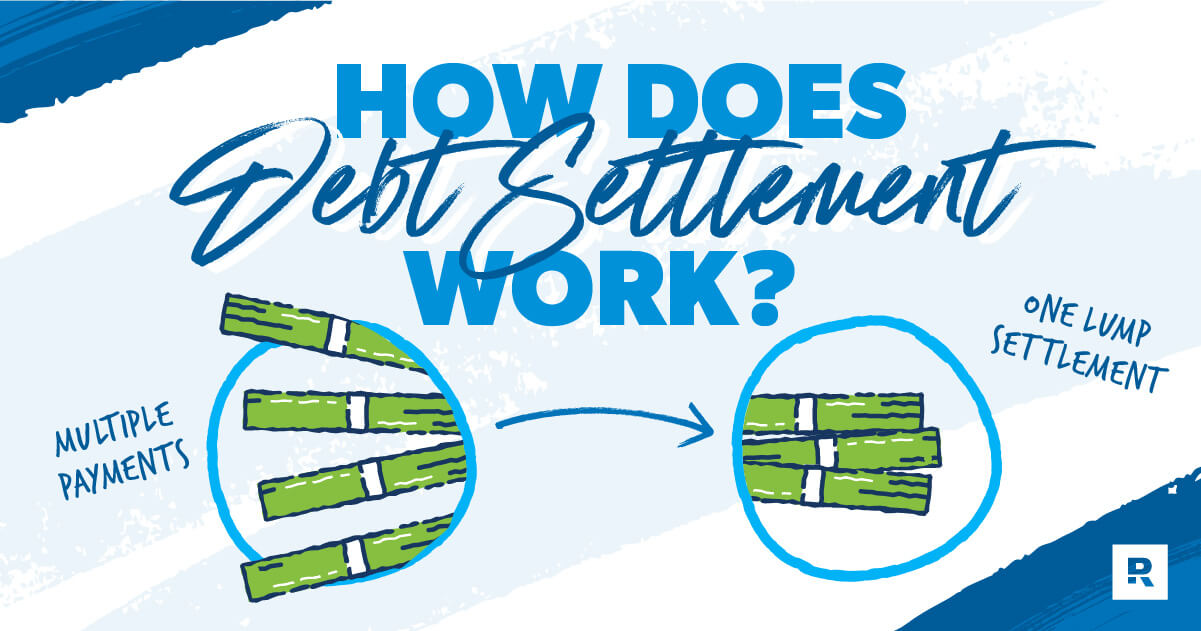
That releases up cash in the short term, and you might have 3 to four years to conserve toward the settlement amount. Very dangerous to credit rating, mainly due to missed repayments and a negative "settled" mark that might remain on your credit history report for approximately seven yearsMay be only alternative if other options (debt combination, balance transfer credit scores cards, financial obligation mercy) aren't possibleTypically needs a fee to the third celebration, which might counter some or every one of the savings from financial obligation settlementMay assist you avoid personal bankruptcy if you've missed out on a number of paymentsNot all financial institutions function with debt negotiation business Debt mercy might be ideal for you if you are experiencing a financial hardship that makes it nearly impossible to pay down your financial debt equilibriums.
With a DMP, you make one month-to-month settlement to the credit scores therapy firm. Those funds are then dispersed to financial institutions of your unprotected debts, such as credit cards and installment loans. The firm deals with your financial institutions to decrease rates of interest or waive charges, yet some financial institutions might reject such concessions.
A financial debt combination lending combines your eligible debts into one new finance. It can assist you pay down financial obligation if you have the ability to safeguard a car loan price that's lower than the average rate of the accounts you're consolidating. You need to avoid from racking up debt on those recently removed accounts or your debt could grow also greater.

That provides you lots of time to remove or significantly lower your equilibrium while making interest-free payments.
More About Local Resources for How to Recover Financially After Job Loss
You might require it if your creditor or a collection agency ever attempts to accumulate on the financial obligation in the future. The letter might show you do not owe what the collection firm's documents show. Yes, in many cases, the internal revenue service considers forgiven financial obligation as taxable earnings. When a lender forgives $600 or even more, they are called for to send you Type 1099-C.
Financial debt mercy or settlement nearly always harms your credit rating. Anytime you resolve a debt for much less than you owe, it might look like "worked out" on your credit scores report and affect your credit history for seven years from the date of negotiation. Your credit can also go down considerably in the months causing the forgiveness if you fall back on payments.
Getting My Consumer Protections When Undergoing How to Recover Financially After Job Loss To Work
This situation usually results from underreporting revenue, not submitting returns on time, or disparities found throughout an Internal revenue service audit. The repercussions of accumulating tax obligation debt are severe and can consist of tax obligation liens, which provide the Internal revenue service a lawful insurance claim to your property as safety and security for the financial debt.
Greater rate of interest on offered debt. Salaries and Financial institution Accounts IRS can impose (confiscate) earnings and financial institution accounts to please the financial obligation. Reduced revenue and interruption of essential financial procedures. Building Seizure In severe instances, the internal revenue service can confiscate and offer property to cover the debt. Loss of important properties and prospective displacement.
Social Stigma Encountering legal action from the IRS can lug social preconception. Work Opportunities An inadequate credit rating score due to tire financial debt can restrict employment opportunities. Federal government Advantages Tax financial obligation might influence eligibility for federal government advantages, such as Social Safety and Medicaid.
What Does Types of Debt Forgiveness You May Know About Do?
The OIC thinks about several variables, consisting of the taxpayer's revenue, expenditures, property equity, and ability to pay. Successfully discussing an OIC can be complex, needing a comprehensive understanding of the IRS's guidelines and a solid argument for why your offer lines up with your capacity to pay. It is essential to note that not all applications are approved, and the process requires detailed economic disclosure.
The internal revenue service assesses your general monetary situation, including your revenue, costs, asset equity, and capacity to pay. You should likewise be current with all declaring and settlement demands and not remain in an open insolvency proceeding. The internal revenue service also considers your conformity background, evaluating whether you have a record of timely declaring and paying taxes in previous years.
The Only Guide for How Much to Budget for Professional Debt Relief Help
The application procedure for a Deal in Compromise entails several comprehensive actions. You have to finish and submit Internal revenue service Type 656, the Deal in Compromise application, and Type 433-A (OIC), a collection info declaration for people. These forms need comprehensive economic info, including information concerning your earnings, financial obligations, expenditures, and assets.
Back tax obligations, which are overdue taxes from previous years, can significantly increase your total IRS financial debt if not addressed without delay. This financial obligation can accrue rate of interest and late payment fines, making the original quantity owed much larger in time. Failure to pay back taxes can cause the internal revenue service taking enforcement actions, such as providing a tax lien or levy versus your residential property.
It is very important to resolve back tax obligations as quickly as feasible, either by paying the sum total owed or by arranging a payment plan with the internal revenue service. By taking aggressive actions, you can stay clear of the accumulation of additional rate of interest and penalties, and avoid extra aggressive collection activities by the internal revenue service.
One usual reason is the idea that the taxpayer can pay the total either as a swelling amount or through a layaway plan. The internal revenue service likewise takes into consideration the taxpayer's revenue, expenditures, asset equity, and future earning potential. If these variables show that the taxpayer can manage to pay greater than the used amount, the IRS is likely to turn down the deal.
8 Easy Facts About What to Watch For When Researching a Bankruptcy Provider Explained
It is crucial to provide precise and total details in your application and to seek advice from with a tax obligation specialist to enhance the opportunities of approval. Managing internal revenue service financial debt can be intricate and challenging. Tax obligation professionals, such as Certified public accountants, tax obligation lawyers, or enlisted agents, can offer important assistance. They have the proficiency to browse the complexities of tax regulation and IRS procedures.

Table of Contents
Latest Posts

The Main Principles Of Understanding Different Relief Programs You Should Know About
Some Known Details About Everything to Know Throughout the Your Section 8 Housing Application Guide (Plus Counseling Support) : APFSC Journey

Warning Signs When Choosing a Specialty Counseling for Caregivers Balancing Their Own Bills and a Loved One’s Needs Provider for Dummies
More
Latest Posts
The Main Principles Of Understanding Different Relief Programs You Should Know About